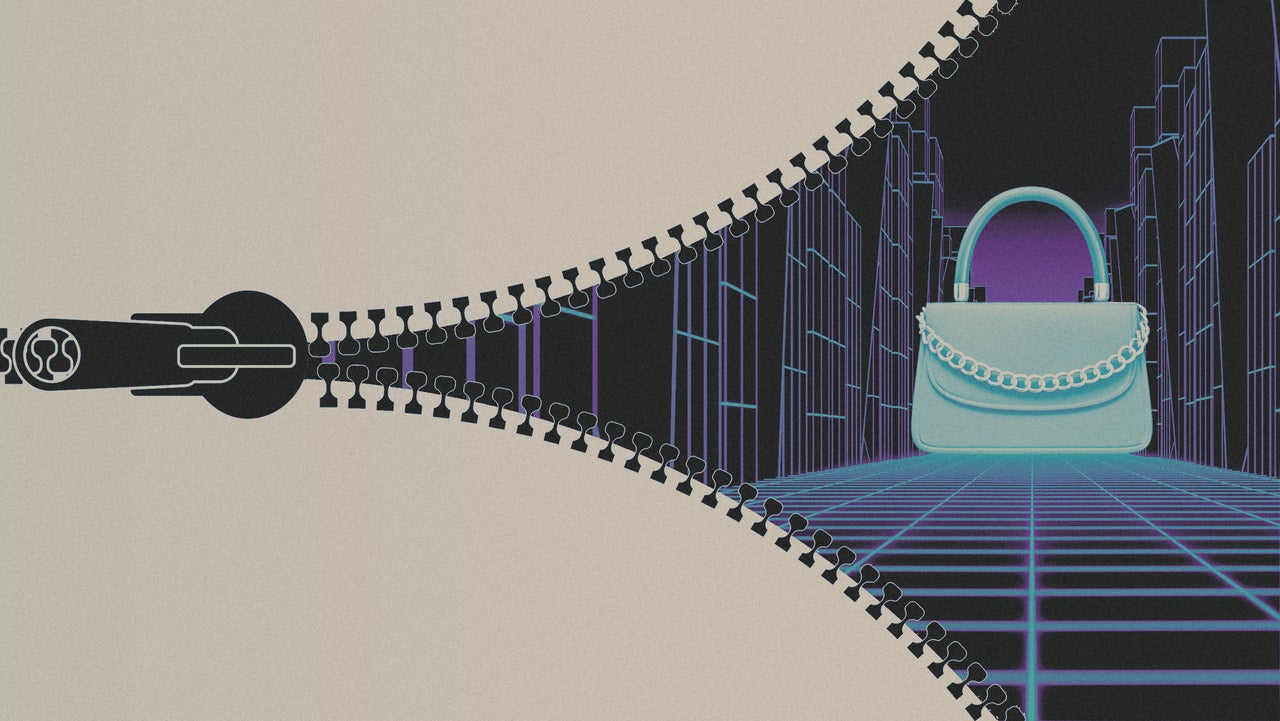
True rarity, short supply chains, and made-on-demand models: What today’s luxury brands can learn from the pre-1990s
Luxury brands have witnessed three decades of unprecedented growth. In April 2023, LVMH, home to the likes of Givenchy and Guerlain, even briefly became Europe’s most valuable company. Since then, most luxury giants have lost momentum. Estée Lauder’s stock price has shed 35% since the start of 2024. Hermès has lost 34% so far this year, and shares in Richemont, owner of Cartier and Chloé, have yo-yoed and are now down 15%. Luxury’s troubles are not cyclical; they are structural. The hard truth is this: The playbook that made luxury successful is becoming its handicap. Why? The contemporary luxury model has run out of road First, luxury is suffering from an innovation recession. Brands increasingly rely on heritage and iconic products rather than creating the next generation of desirable goods. The Hermès Birkin bag, for example, was created in 1984. In 2023, Bernstein estimated that with the Kelly bag, another 1977 icon and a rebrand of a bag invented in the 1930s, these two models accounted for more than 13% of the brand’s annual revenue. The question is: Can one endlessly thrive on products that were created for our ancestors? Second, luxury created a reputational recession. Pos…